




Comprehensive Insights into Transportation: Understanding Systems and Services
The Importance of Transportation in Urban Planning
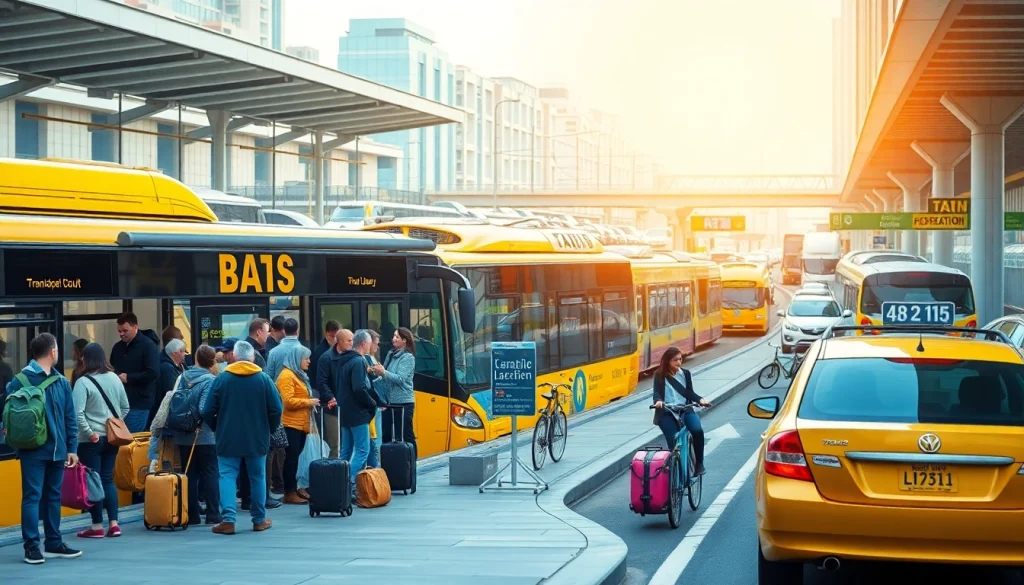
Transportation forms the backbone of urban planning, influencing how communities function and grow. The efficient movement of people and goods is critical for economic stability, social interaction, and sustainable development. As cities expand, urban planners are increasingly challenged to create systems that not only transport people efficiently but also enhance urban life quality through transportation options that are safe, affordable, and environmentally friendly.
Defining Transportation and Its Effects
Transportation can be defined as the movement of humans, animals, and goods from one place to another, utilizing various means such as roads, railways, airways, and waterways. Its effects are far-reaching, impacting not only economic activity but also the overall urban fabric. A robust transportation system promotes accessibility, reducing travel times and connecting diverse communities. Conversely, ineffective transportation planning can lead to congestion, pollution, and social isolation.
Types of Transportation Systems
Transportation systems can be categorized into several types, including:
- Public Transportation: Buses, subways, and commuter trains that are vital for urban mobility.
- Private Transportation: Personal vehicles, taxis, and rideshare options that offer flexibility and convenience.
- Freight Transportation: Systems dedicated to the movement of goods, encompassing trucks, railways, and shipping routes.
- Cycling and Walking: Sustainable options that promote health and reduce environmental impact.
Understanding these systems allows urban planners to address specific needs, ensuring comprehensive transportation networks that support regional growth and livability.
The Role of Transportation in Economic Growth
Transportation plays a pivotal role in economic growth by facilitating trade, enhancing employment opportunities, and attracting investments. Well-planned transportation infrastructure can reduce business operating costs and improve access to markets.
Moreover, transportation networks generate jobs not just directly within transport sectors, but also indirectly through the improved efficiency of markets and businesses. Areas with superior transportation facilities often see a rise in property values and can attract a diverse workforce, contributing significantly to urban economic health.
Modern Transportation Technologies
As urban demands and environmental challenges evolve, so too does transportation technology. Innovations are constantly reshaping modalities, making them more efficient, safer, and more user-friendly.
Smart Transportation Systems Explained
Smart transportation systems incorporate advanced technologies such as GPS, IoT, and AI to improve the efficiency and safety of transport infrastructure. These systems gather data on traffic patterns, monitor vehicle conditions, and enhance communication between transportation authorities and users. The result is a responsive transportation network that minimizes congestion and maximizes resource usage.
For instance, cities likeSingapore have effectively implemented smart traffic lights that adjust green light duration based on real-time traffic data, thereby reducing wait times and improving traffic flow.
Emerging Technologies in Transportation
Emerging technologies are revolutionizing transportation, particularly through initiatives such as:
- Electric and Autonomous Vehicles: With their potential to reduce emissions and improve road safety, electric and self-driving vehicles are gaining traction in urban environments.
- Shared Mobility: Ridesharing and car-sharing services are altering traditional car ownership patterns, leading to less congestion and more effective resource allocation.
- Hyperloop and High-Speed Rail: These innovations promise to drastically reduce travel times over long distances while maintaining environmental sustainability.
Environmental Impact and Sustainable Practices
The environmental impact of transportation is a pressing concern, contributing significantly to greenhouse gas emissions. Thus, incorporating sustainable practices is essential in contemporary urban planning. This includes the promotion of public transport, the creation of pedestrian-friendly spaces, and the integration of cycling into the urban fabric.
Furthermore, urban planners are encouraged to implement green technologies in infrastructure development, focusing on renewable energy sources and minimizing carbon footprints. The development of electric public transport options, such as electric buses, is an effective way to curb pollution and promote a cleaner environment.
Public vs. Private Transportation Options
Choosing between public and private transportation involves various factors such as cost, convenience, and accessibility. Both options carry distinct advantages and drawbacks that must be considered in transport planning.
Comparative Analysis of Public Transit Systems
Public transit systems, which include buses, trains, and trams, are designed to provide mass transportation, accommodating large volumes of passengers efficiently. They are typically subsidized by government funding, making them a cost-effective option for many users.
Challenges faced by public transit include the need for timely and reliable service, frequent maintenance, and sometimes inadequate coverage, leading to gaps in service that can disenfranchise users.
In contrast, cities with robust public transit systems, like Tokyo, showcase high ridership rates, low costs, and reduced traffic congestion, proving that when executed well, public transit is vital for urban mobility.
Advantages of Private Transportation Services
Private transportation services, such as taxis and rideshare options like Uber and Lyft, provide more flexibility and can be tailored to individual schedules. They are particularly advantageous in areas lacking robust public transit systems. However, these services typically come at a premium price compared to public transit.
Moreover, reliance on private transportation can exacerbate traffic congestion and environmental issues, highlighting the need for a balanced approach that integrates both public and private options within a city’s overall transit strategy.
Cost Implications of Different Transportation Modes
The cost implications of using different transportation modes extend beyond the fare itself. Public transit systems often represent lower direct costs to users, particularly in urban settings with high population densities. Conversely, private transport may incur significant indirect costs such as fuel, maintenance, parking, and insurance, which can add up quickly.
Therefore, governments and urban planners must factor in not just the monetary cost but also social costs, like health impacts and congestion tolls, when evaluating transport options.
Safety and Regulations in Transportation
Safety is a paramount consideration in the transportation sector, involving rigorous oversight, comprehensive regulations, and constant innovation. Ensuring the safety of all transportation modalities requires collaboration among various stakeholders, including governmental agencies, car manufacturers, public transport authorities, and the general public.
Overview of Transportation Safety Standards
Transportation safety standards are set forth by various governing bodies, ensuring that vehicles, infrastructure, and practices meet necessary safety thresholds. For instance, the National Highway Traffic Safety Administration (NHTSA) governs vehicle standards in the U.S., which includes crash tests, fuel efficiency, and emissions factors.
Public transportation standards frequently require annual inspections and adherence to specified operational protocols to ensure safety and reliability for passengers.
Government Regulations Impacting Transportation
Government regulations significantly impact transportation logistics, with agencies regulating various aspects from environmental compliance to worker safety. Policies surrounding vehicle emissions, public funding for rail systems, and urban zoning for transport hubs also greatly influence transportation efficiency and safety.
Moreover, international regulations, such as the International Maritime Organization (IMO) guidelines for shipping, help standardize safety and environmental practices globally.
Future Challenges in Transportation Safety
Emerging technologies and urban growth introduce numerous challenges to transportation safety. Cybersecurity threats to smart transportation systems require constant adaptation and innovation, while the increase in autonomous vehicles presents novel questions about liability, traffic management, and accident prevention.
Heightened concerns over climate change necessitate focus on sustainable methods that do not compromise safety, pushing urban planners to rethink traditional safety protocols through the lens of modern environmental priorities.
Choosing the Right Transportation for Your Needs
As urban environments become increasingly complex, effectively selecting transportation options requires careful consideration of demographics, costs, and accessibility.
Assessing Transportation Needs by Demographic
Transportation needs vary widely between different demographics, including age, socioeconomic status, and disability status. For example, seniors may require more accessible transport options, while urban youth might prioritize flexibility and cost-effectiveness.
Urban planners can conduct demographic analyses to understand travel habits, ensuring that the transportation system addresses the specific needs of each group effectively.
Best Practices for Efficient Transportation Choices
Efficient transportation choices require a balance of convenience, cost, and accessibility. Some best practices include:
- Incorporating public transportation into urban planning to enhance accessibility.
- Promoting carpooling and ridesharing to reduce congestion.
- Encouraging active transportation options, like biking or walking, for short distances.
- Utilizing technology such as apps for real-time tracking of public transport.
By implementing these strategies, urban planners can create more cohesive transportation networks that cater to the community’s needs while promoting sustainable practices.
Case Studies of Successful Transportation Solutions
Examining successful transportation solutions can provide valuable insights. One prominent example is the extensive metro system of Seoul, which has successfully integrated affordable, efficient, and sustainable transportation with multi-modal options. This system encourages the use of public transit over personal vehicles, contributing to lower traffic congestion and pollution levels.
Another successful case is Amsterdam’s cycling infrastructure, where investment in bike lanes and rental bike programs has made cycling a preferred mode of transport. This focus on sustainability has not only improved urban mobility but also enhanced the city’s livability and reduced its carbon footprint.