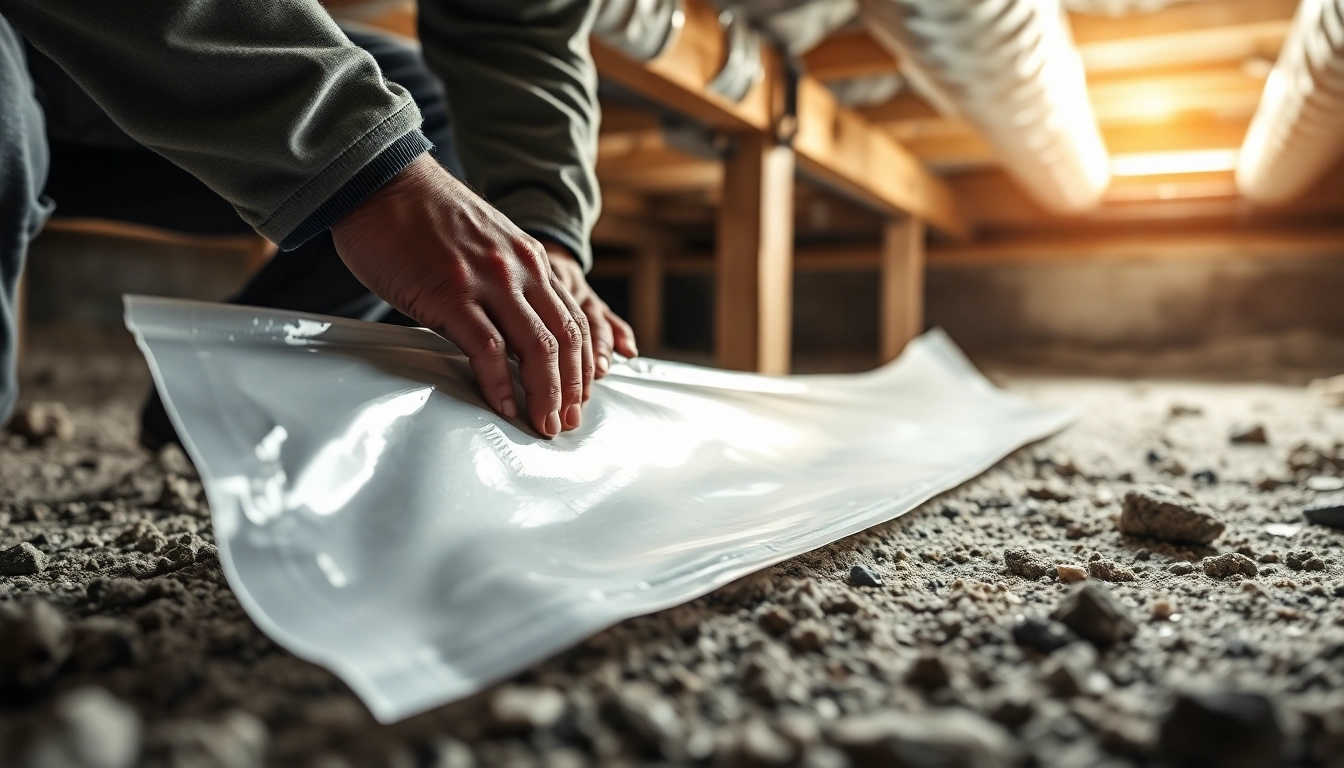
Understanding Vapor Barrier Installation
What is a Vapor Barrier?
A vapor barrier is a material used to prevent moisture from penetrating into a space, particularly in crawl spaces and basements. These barriers are typically made of polyethylene plastic or foil, which are effective at blocking water vapor. Vapor barriers help maintain a dry environment, thereby protecting wood structures and insulation from moisture-related damage.
Importance of Vapor Barrier Installation
Proper installation of a vapor barrier is crucial for preventing moisture buildup in areas prone to high humidity. Moisture can lead to a range of issues including mold growth, wood rot, and pest infestations. When homeowners invest in Vapor Barrier Installation, they are taking a significant step toward ensuring the longevity and safety of their homes. Moreover, it can also improve indoor air quality by reducing allergens and irritants associated with damp conditions.
Key Components of a Vapor Barrier
When considering a vapor barrier installation, it’s essential to understand the components involved. The main elements include:
- Barrier Material: Typically made from polyethylene, the thickness of the material can vary.
- Tape/Sealant: This is used to seal joints and seams in the barrier to prevent moisture ingress.
- Ground Cover: Sometimes, a covering applied to the soil is necessary to enhance moisture control.
- Fasteners: Used to secure the barrier in place against walls and foundations.
Preparing for Vapor Barrier Installation
Assessing Moisture Levels in Crawl Spaces
Before commencing the installation, it's vital to assess the moisture levels in your crawl space. You can use a hygrometer to measure relative humidity or visually inspect for signs of dampness such as mold or mildew. A moisture level above 50% often indicates a need for a vapor barrier installation. Additionally, consider factors such as drainage, HVAC systems, and seasonal changes affecting moisture levels.
Choosing the Right Materials
Not all vapor barriers are created equal. The choice of materials will largely depend on your specific needs, local building codes, and climate conditions. High-density polyethylene, for example, is robust against punctures and tears, while lighter materials might be less expensive but offer lower durability. Ensure the thickness of the vapor barrier is appropriate; typically, a 6-mil thickness is a recommended standard for most residential applications.
Tools Needed for Installation
Preparing the right tools can make the installation process smoother and more efficient. Essential tools include:
- Utility knife or scissors
- Measuring tape
- Stapler or nails for securing
- Moisture sealant tape
- Safety gear, including gloves and a mask
Step-by-Step Guide to Vapor Barrier Installation
Measuring and Cutting the Vapor Barrier
Begin by taking accurate measurements of your crawl space. Calculate the area where the vapor barrier will be laid out. Once you have your measurements, cut the polyethylene sheets to size, allowing for overlaps on edges to ensure coverage. Ideally, overlap any seams by at least 12 inches to provide a comprehensive moisture barrier.
Securing the Barrier Effectively
After positioning the barrier, secure it to walls and other surfaces using staples or nails. Use the moisture sealant tape to seal any seams, ensuring that there are no potential gaps for moisture to enter. Pay special attention to corners and edges where air can leak in, as these areas are often overlooked but can compromise the barrier's effectiveness.
Common Mistakes to Avoid
Several pitfalls could undermine the effectiveness of your vapor barrier installation. Avoid these common mistakes:
- Incorrect Sizing: Not measuring correctly can lead to gaps or overages.
- Poor Sealing: Failing to seal joints and seams properly can allow moisture to penetrate.
- Ignoring Drainage: If the foundation has drainage issues, the barrier will not be effective.
- Neglecting Ventilation: While a vapor barrier helps seal out moisture, good ventilation is still essential for preventing condensation.
Maintaining Your Vapor Barrier
Regular Inspection Tips
To ensure long-term efficacy, performing regular inspections of your vapor barrier is essential. Check for signs of wear, such as tears or punctures. A keen eye for potential water damage in adjacent areas will also alert you to possible failures in your installation. It’s wise to conduct inspections at least annually, or after significant weather events.
Signs of Barrier Wear or Damage
Be vigilant for the following signs, which may indicate that your vapor barrier is compromised:
- Visible moisture accumulation on the barrier.
- Foul odors emanating from the crawl space.
- Presence of mold or mildew.
- Insect activity or pest infestations.
How to Repair a Vapor Barrier
Should you discover damage, timely repairs are necessary. For small tears, use moisture sealant tape to patch seams. For larger areas where the barrier has been compromised, a replacement section may be necessary. Always ensure that the new section overlaps existing material, and seal it carefully to maintain the integrity of the vapor barrier.
FAQs About Vapor Barrier Installation
How often should a vapor barrier be replaced?
A vapor barrier should be checked every 5-10 years for wear, depending on environmental conditions in your area.
Can I install a vapor barrier myself?
Yes, with proper preparation and tools, many homeowners can install it themselves, following a guideline.
What thickness of vapor barrier is recommended?
A thickness of 6 mils is generally recommended for durability and effectiveness in standard installations.
Will a vapor barrier prevent mold?
A vapor barrier helps reduce moisture levels and prevent mold but should be complemented with good ventilation.
Is vapor barrier installation necessary?
Yes, it's crucial in areas with high humidity to protect your home from moisture-related damage.