
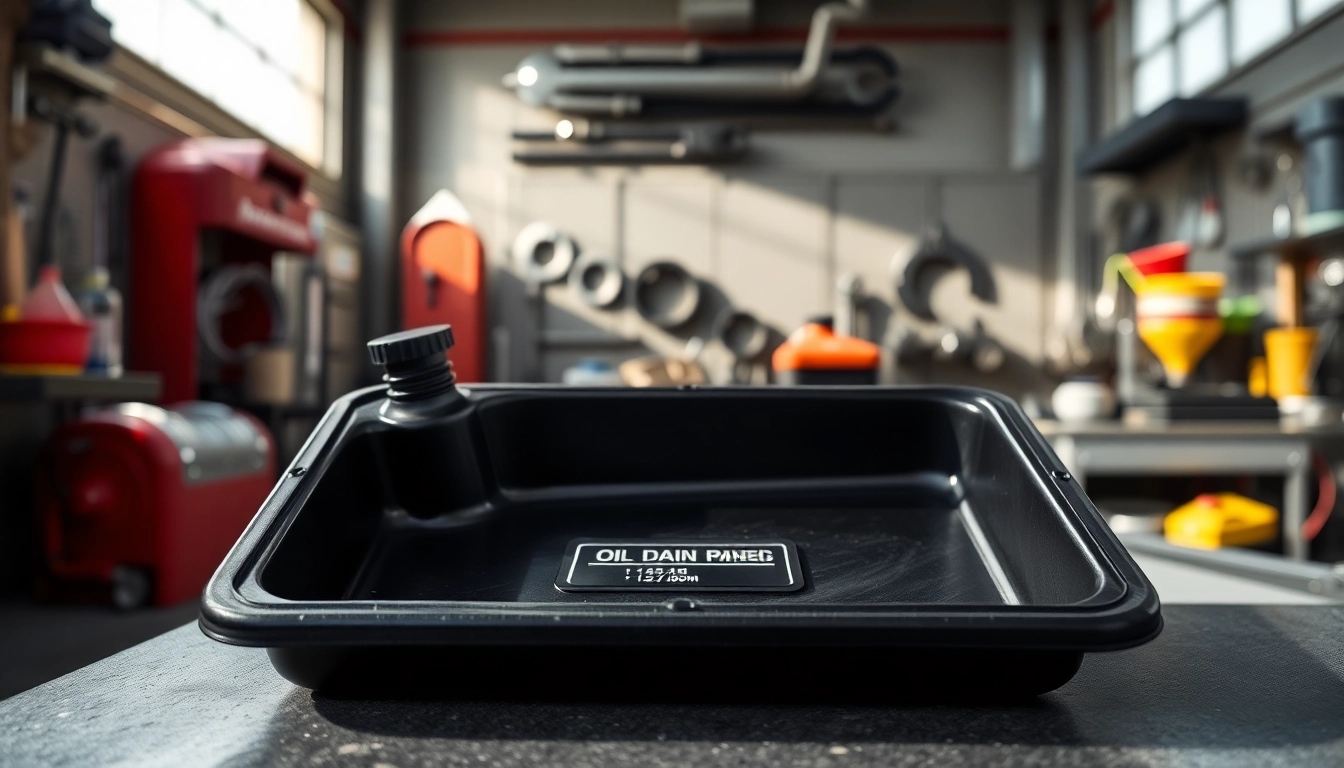
Understanding the Purpose of Oil Drain Pan
What is an Oil Drain Pan Used For?
Oil drain pans are an essential tool for vehicle maintenance, primarily used to collect used motor oil during oil changes. The primary purpose of an Oil Drain Pan is to catch the oil as it drains from the engine, preventing spills and messes in your garage or workspace. Without a dedicated pan, the risk of leaking oil on your driveway or garage floor increases, which could lead to environmental hazards and costly clean-up. Additionally, many modern oil drain pans come with features such as spouts or caps for easy disposal, further enhancing their functionality.
Key Features to Look For
When selecting an oil drain pan, several features can enhance convenience and efficiency:
- Material: Choose between plastic or metal, where metal offers durability and resistance to corrosion.
- Capacity: Ensure the pan can hold the amount of oil your vehicle requires during a change—common capacities range from 5 to 20 quarts.
- Design: Look for features such as a wide base for stability, and if preferred, integrated spouts for pouring used oil.
- Portability: Some models include handles or wheels for easy movement, especially useful in professional settings.
The Importance of Capacity
Choosing the right capacity for your oil drain pan is critical for efficient oil changes. A pan with sufficient capacity will prevent overflow during the oil draining process. For standard passenger vehicles, a pan that holds 5 to 8 quarts is adequate. However, larger vehicles or equipment may require pans that hold 15 quarts or more. Assess your specific needs based on the vehicles you maintenance to select the appropriate size. Having the right capacity not only enhances efficiency but also reduces cleanup time and environmental impact.
Types of Oil Drain Pans Available
Plastic vs. Metal Oil Drain Pan
When it comes to materials, both plastic and metal have their pros and cons:
- Plastic: Lightweight and generally less expensive, making them a practical choice for DIY mechanics. However, they may not withstand extreme temperatures or heavy wear.
- Metal: Provides superior durability, can handle higher temperatures, and is often resistant to rust and corrosion. These features make metal pans suitable for more frequent and extensive use.
Drain Pan with Spout and Screen
Many modern oil drain pans come equipped with a spout and a filter screen. The spout allows for easy transfer of oil to storage containers, reducing the risk of spillage during movement. The filter screen can catch debris and particles, ensuring that only clean oil flows out. This feature is particularly valuable when you’re dealing with changing oil on multiple vehicles, helping to maintain cleanliness and efficiency.
Choosing Portable vs. Fixed Options
Depending on your needs, you’ll find both portable and fixed oil drain pans. Portable pans are ideal for home garages, allowing for easy maneuverability during oil changes. They often come with wheels or handles. Fixed oil drain pans are typically used in professional garage environments where oil changes are performed frequently. These pans may connect directly to a waste oil disposal system, offering a seamless approach to oil management.
How to Use an Oil Drain Pan Safely
Preparation Before Usage
Before starting any oil change, it’s crucial to prepare adequately. Ensure you have the right tools ready, including the oil drain pan, wrenches, new oil, and an oil filter if needed. Choose a level surface to park your vehicle and ensure it is cool to the touch before beginning. Using gloves is advisable to prevent skin contact with used oil, which can be harmful.
Step-by-Step Oil Change Process
- Position the oil drain pan beneath the vehicle’s oil drain plug.
- Remove the drain plug using the appropriate wrench, allowing the oil to drain into the pan completely.
- Replace the drain plug and tighten it securely after the oil has fully drained.
- Replace the oil filter, if applicable, ensuring any gaskets or seals are replaced.
- Pour new oil into the engine using a funnel, following the manufacturer’s guidelines for oil type and amount.
Disposing of Oil Responsibly
Proper disposal of used oil is essential for environmental conservation. Used oil should never be disposed of in regular trash or poured down a drain. Most local auto parts stores or recycling centers accept used oil for recycling. Consult your local regulations for designated disposal sites. This approach not only protects the environment but can also be beneficial for those who reuse or recycle automotive oil.

Maintaining Your Oil Drain Pan
Cleaning and Storage Tips
After each use, it’s important to clean your oil drain pan thoroughly. Use a paper towel or cloth to wipe out excess oil, then wash the pan with soap and water to remove residues. Ensure it is completely dry before storing it away to prevent rust or mildew, especially if it’s a metal pan. Store it in a dry area, free from extreme temperatures that could damage the material.
Common Issues and Troubleshooting
Like any tool, oil drain pans can encounter issues. One common problem is leakage due to cracks or improper seals. Regularly inspect your pan for any signs of wear and replace it if necessary. Another issue might be settling or tipping during use; therefore, always set the pan on a stable ground to avoid spills. If your pan is difficult to maneuver due to being too heavy when full, consider options with integrated wheels.
Enhancing Longevity with Proper Care
Extending the life of your oil drain pan requires routine care. Avoid exposure to harsh chemicals or extreme heat as this can warp plastic or corrode metal. Regularly check to ensure no debris is lodged in the spout or screen. Following these simple care guidelines can significantly enhance your oil drain pan’s lifespan, ensuring you have a reliable tool for years to come.
FAQs About Oil Drain Pans
What capacity oil drain pan do I need?
Choose a capacity based on your vehicle’s needs; common sizes are 5-20 quarts. Larger vehicles may require pans with a higher capacity to prevent overflow during an oil change.
Can I use any container for oil collection?
While other containers can collect oil, only specialized oil drain pans are designed for safe and efficient retrieval, minimizing spills and environmental hazards.
How do I dispose of used oil properly?
Take used oil to recycling centers or local auto parts stores that accept used oil. Never dispose of it in trash or drains to prevent environmental contamination.
What features make an oil drain pan effective?
An effective oil drain pan should have a suitable capacity, durable material, stability, and features like spouts or screens for easy and clean disposal of used oil.
Are professional-grade pans worth the investment?
Yes, professional-grade pans often offer enhanced durability and features beneficial for frequent use, making them a cost-effective option for regular vehicle maintenance.