Understanding Wedding Bands
What are Wedding Bands?
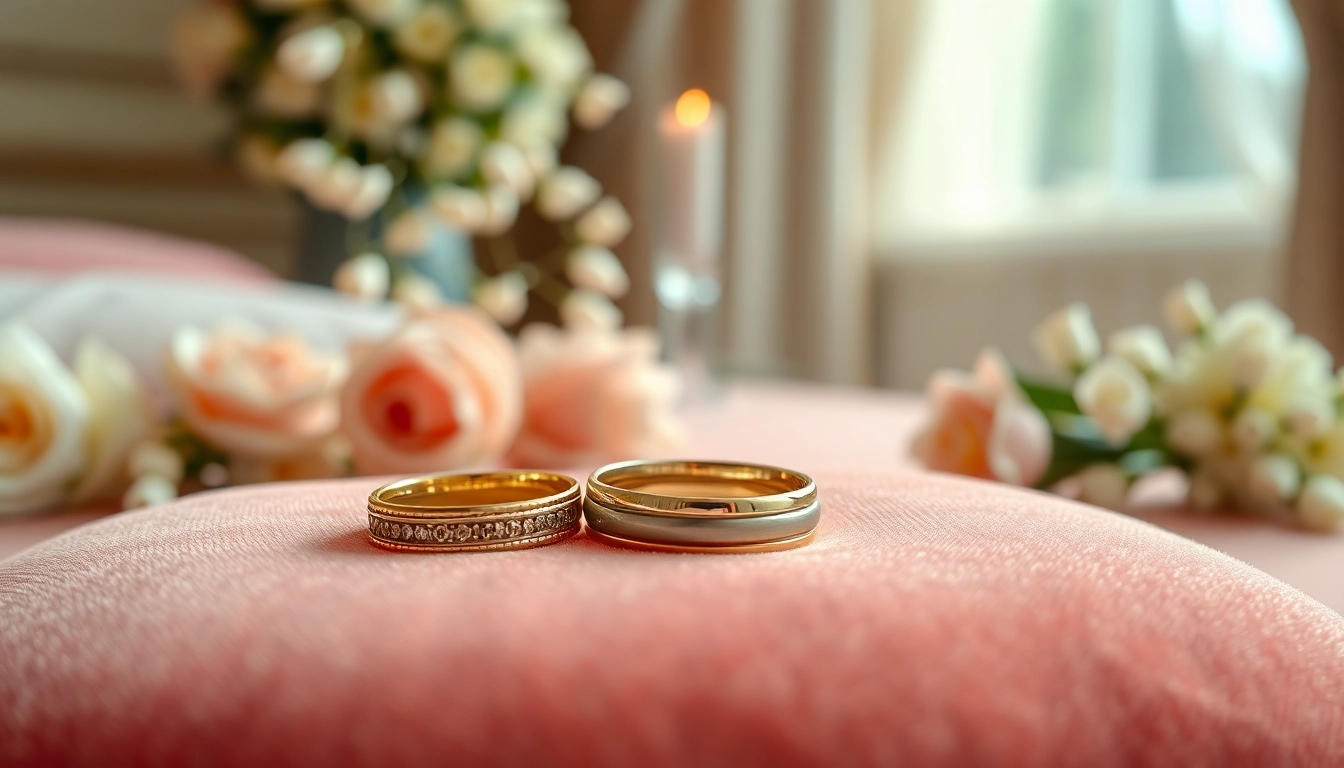
Wedding bands are a timeless symbol of love and commitment. Traditionally worn on the ring finger, they signify the bond between two partners. These rings, typically made of precious metals, are exchanged during wedding ceremonies as a pledge of fidelity and a representation of eternal love. Unlike engagement rings, which often feature a prominent gemstone, wedding bands are usually simpler in design, emphasizing unity rather than individual style. Wedding bands can be personalized to reflect the couple’s journey together, making them even more special.
Types of Wedding Bands
Wedding bands come in various styles and materials, allowing couples to select the perfect ring that reflects their personal taste and relationship. Some popular types include:
- Classic Bands: Simple, unadorned rings that come in various metals.
- Diamond Bands: Featuring diamonds or other precious stones, these bands boast elegance and sparkle.
- Stackable Bands: Thin bands that can be stacked with other rings for a custom look.
- Personalized Bands: Engraved with names, dates, or meaningful symbols to add a personal touch.
- Vintage Bands: Designed with intricate details and often inspired by different historical eras.
Symbolism Behind Wedding Bands
The circular shape of wedding bands symbolizes eternity, as it has no beginning or end. This represents the infinite love and commitment shared between partners. Additionally, in many cultures, the left-hand ring finger is believed to have a vein that runs directly to the heart, further enhancing the emotional significance of wearing a wedding band. The choice of metal and design can also hold different meanings; for instance, gold is often associated with wealth and prosperity, while platinum signifies strength and durability.
Selecting Wedding Bands
Material Options for Wedding Bands
Choosing the right material for your wedding band is crucial as it affects the ring’s appearance, durability, and maintenance. Common materials include:
- Gold: Available in yellow, white, and rose variants, gold is a classic choice known for its malleability and beauty.
- Platinum: A durable and hypoallergenic metal, platinum is ideal for those with sensitive skin.
- Palladium: A lighter and more affordable alternative to platinum, palladium offers a similar finish.
- Silver: While less durable, silver is an economical choice for a beautiful, lustrous band.
- Alternative Metals: Titanium, tungsten, and cobalt are becoming popular for their strength and unique designs.
Finding the Right Fit
Finding the right fit for a wedding band is essential for comfort and daily wear. Here are tips for ensuring the perfect fit:
- Measure your finger at different times of the day, as finger size can fluctuate.
- Consider the width of the band; wider bands may require a slightly larger size.
- If purchasing online, refer to sizing guides or visit a jeweler to get an accurate measurement.
- Try on rings made of similar materials, as different metals can feel different on the finger.
Custom vs. Pre-Made Wedding Bands
When choosing a wedding band, couples often face the decision of selecting a custom-designed ring versus a pre-made option. Each choice has its benefits:
- Custom Wedding Bands: Tailored to personal specifications, custom bands allow for unique designs, materials, and engravings that reflect the couple’s journey.
- Pre-Made Wedding Bands: Generally more affordable and readily available, pre-made bands offer classic styles and immediate purchase options. This choice is ideal for couples who prefer to see actual designs before making a decision.
Popular Trends in Wedding Bands
Unique Design Trends
Wedding band designs have evolved significantly over the years. Current trends feature innovative styles that appeal to modern couples:
- Mixed Metals: Combining different metals creates a striking effect, allowing for versatile pairing with engagement rings.
- Textured Finishes: Hammered or brushed finishes add a unique touch and appeal.
- Sustainable Materials: Eco-conscious couples are opting for bands made from recycled materials, reducing environmental impact.
Matching Wedding Bands
Matching wedding bands symbolize unity and partnership. Couples are increasingly selecting complementary styles, whether that means matching metals, finishes, or designs. This practice not only enhances the aesthetic congruence but also represents a shared commitment to each other.
Engraving Options for Personal Touch
Engravings are a wonderful way to personalize wedding bands further. Popular options include names, special dates, or sentimental phrases. Some couples also choose symbols or motifs that hold significance in their relationship, such as coordinates of where they met or a small image representing a shared interest. These personalizations add depth and meaning to the rings, making them unique.
Budgeting for Wedding Bands
Understanding Price Ranges
Prices for wedding bands can vary widely based on material, design, and brand. A simple gold band may start as low as a few hundred dollars, while intricate designs with diamonds can reach into the thousands. Understanding the price ranges associated with different materials and designs can help couples to budget effectively:
- Gold bands typically range from $300 to $2,000.
- Platinum bands can cost anywhere from $1,000 to over $3,000.
- Diamond-set bands vary from $1,000 to upwards of $5,000, depending on the stone size and quality.
Tips for Budget-Friendly Wedding Bands
Creating a budget for wedding bands doesn’t mean you have to sacrifice quality or style. Consider these tips for finding beautiful rings at reasonable prices:
- Set a clear budget before shopping to avoid impulse purchases.
- Shop during sale events or consider local jewelers who may offer competitive pricing.
- Be open to alternative metals, which can be less expensive yet visually appealing.
- Explore vintage or pre-owned rings that can provide unique styles at lower prices.
Investing in Quality
While budget is important, investing in high-quality wedding bands can pay off in the long run. High-quality materials and craftsmanship ensure longevity, reducing the need for replacements or repairs. Additionally, well-made rings often hold sentimental and monetary value over time. Focus on durability and timelessness when making your selection to ensure your wedding band remains a cherished piece for years to come.
Caring for Wedding Bands
Maintenance Tips for Longevity
Proper care is essential to preserve the beauty and integrity of wedding bands. Here are some maintenance tips:
- Regularly clean your rings using a soft cloth and mild soap. Avoid harsh chemicals that can damage the finish.
- Remove your band when performing activities that could scratch or damage it, such as heavy lifting or working with cleaning products.
- Store rings separately in a soft pouch or a dedicated ring box to prevent scratches when not being worn.
When to Seek Professional Cleaning
While routine home cleaning is beneficial, taking wedding bands for professional cleaning every 6-12 months can help maintain their sparkle. Jewelers have specialized equipment and products that can restore the ring’s luster, inspect for any damage, and perform needed repairs, ensuring the ring is in excellent condition.
Storing Wedding Bands Safely
When not worn, it’s crucial to store wedding bands properly to prevent damage. Consider these storage tips:
- Keep rings in a soft-lined jewelry box, away from direct sunlight and moisture.
- Use individual compartments or pouches to avoid scratching against other jewelry.
- Consider using a safe or lockbox to protect valuable items from loss or theft.
Frequently Asked Questions
How do I choose the right size for a wedding band?
The best way to find the right size is to have your finger measured by a jeweler. Make sure to measure at different times to account for fluctuations in finger size.
What materials are best for wedding bands?
Common materials include gold, platinum, palladium, and silver. The best choice depends on personal preference and budget considerations.
Can I engrave my wedding band?
Yes! Many jewelers offer engraving services to personalize your wedding band with messages, names, or dates for a unique touch.
How often should I clean my wedding band?
Regular cleaning is recommended; at home, you can clean it monthly, but professional cleaning is advisable every 6-12 months for best maintenance.
What is the best way to store a wedding band?
Store your wedding band in a separate pouch or soft-lined box to prevent scratching. Keep it away from moisture and direct sunlight for preservation.