
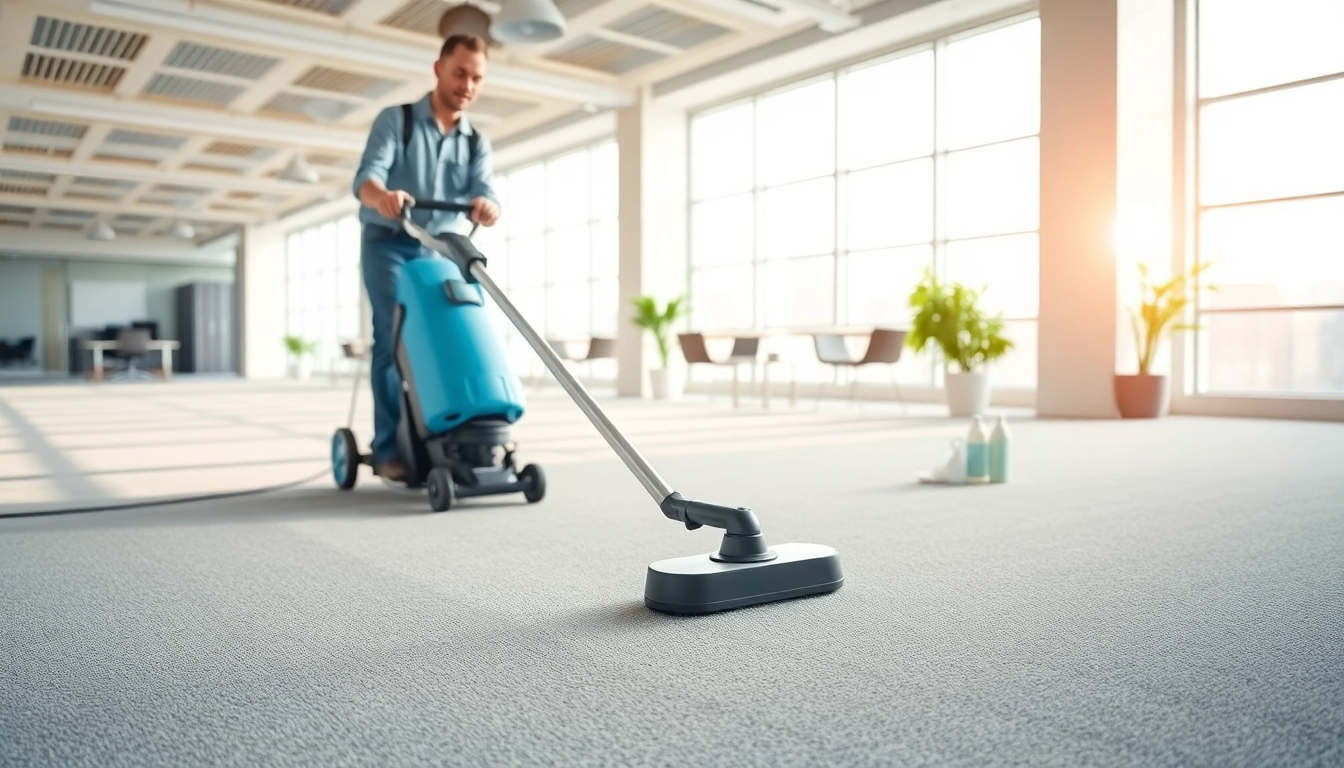
Understanding Commercial Carpet Cleaning
In bustling environments such as offices, hotels, and retail spaces, carpets can quickly accumulate dirt, stains, and allergens. Adequate care through commercial carpet cleaning is essential for maintaining a healthy atmosphere and extending the life of your flooring investment. This article will delve into the various facets of commercial carpet cleaning, presenting best practices and advanced techniques for the best possible results.
Importance of Professional Cleaning
Professional carpet cleaning is fundamental to sustaining a pristine image and enhancing indoor air quality. Regular cleaning removes not just visible dirt but also invisible allergens and bacteria that can affect the wellbeing of employees and customers alike. Furthermore, professional services often implement techniques that prolong the life of carpets, saving organizations substantial costs in the long run. In addition, a clean, well-maintained carpet can serve as a welcoming aesthetic feature, positively influencing client perceptions.
Types of Commercial Carpets
Commercial spaces typically utilize various carpets, each requiring specific cleaning methods. These can be broadly categorized into:
- Loop Pile Carpets: Durable and ideal for high-traffic areas. These carpets can withstand significant wear and tear, though they may trap dirt and require frequent cleaning.
- Cut Pile Carpets: Softer and luxurious, these carpets provide comfort but can be more vulnerable to staining and damage.
- Tile Carpets: Easily replaceable sections allow for cost-effective cleaning solutions, as damaged tiles can be swapped out without replacing an entire carpet.
- Broadloom Carpets: Typically used in larger areas, these carpets require equipment capable of managing their expansive size.
Common Challenges in Carpet Maintenance
Maintaining commercial carpets is not without challenges. Common issues may include:
- Stains: Accidental spills can quickly turn into permanent markers if not addressed promptly.
- Ground-In Dirt: High foot traffic can work dirt deeper into the fibers, making it difficult to remove.
- Odors: Long-standing stains or spills can lead to unpleasant smells that persist even after cleaning.
- Allergens: Dissolved pet dander, dust, and pollen can thrive in carpets, affecting health.
Best Practices for Carpet Cleaning
Frequency and Timing of Cleaning
Determining how often to clean carpets often depends on foot traffic, type of business, and the carpet’s material. General guidelines suggest:
- Heavy traffic areas (like lobbies and corridors): every 6-12 months
- Moderate traffic areas (like offices): every 12-18 months
- Low traffic areas (like boardrooms): every 18-24 months
Additionally, seasonal cleaning, such as spring deep cleans, can effectively address accumulated grime and prepare carpets for the summer months.
Choosing the Right Cleaning Methods
When it comes to cleaning methods, several options are available, each suited to specific carpet types and stains:
- Hot Water Extraction: Also known as steam cleaning, involves injecting hot water and cleaning solutions into the carpet fibers followed by powerful vacuuming.
- Low Moisture Cleaning: This method minimizes the amount of water used, reducing drying time and the risk of mold growth.
- Encapsulation Cleaning: This involves using a synthetic detergent that crystallizes dirt, making it easier to vacuum away.
- No-Rinse Cleaning: Suitable for light cleaning, this method uses chemicals that require no rinsing, making it a convenient option for busy commercial spaces.
Identifying and Treating Stains
Stain treatment is critical in carpet maintenance, as certain pollutants can become permanent without swift action. Common stains include:
- Food and Beverage Spills: Blot with water and apply a carpet cleaner specific to the type of stain.
- Ink Marks: Use rubbing alcohol gently on a cloth to lift the ink without spreading it.
- Grease Stains: Cornstarch can be sprinkled on to absorb the grease before cleaning.
It’s important to start with mild solutions and escalate as necessary, always testing in an inconspicuous area first.
Advanced Techniques in Commercial Carpet Cleaning
Steam Cleaning vs. Shampooing
Steam cleaning involves using heated water to deep clean carpets thoroughly, effectively dislodging dirt and allergens. It’s particularly effective for deep-seated stains and heavily soiled carpets. Shampooing, on the other hand, introduces foam-based detergents, which can facilitate soil buildup over time if not rinsed properly. For the best results, professional cleaners often prefer steam cleaning due to its efficiency and reduced chemical reliance.
Eco-Friendly Cleaning Solutions
With increasing concern for environmental sustainability, eco-friendly cleaning solutions have gained traction. These solutions—often plant-based—are less harmful to the environment and human health. Options include:
- Vinegar and Water: A natural solution that can deodorize and clean without harsh chemicals.
- Baking Soda: Effective for neutralizing odors and lifting stains.
- Essential Oils: Add a few drops to homemade cleaners for pleasant scents and antibacterial properties.
Innovative Equipment and Technology
Investing in advanced equipment can significantly enhance cleaning effectiveness. Innovations such as:
- Robotic Cleaners: Automating the cleaning process while providing consistent maintenance.
- High-Performance Extractors: Efficiently deep clean carpets, minimizing drying time.
- Advanced Monitoring Systems: Devices that track carpet condition and suggest cleaning schedules based on usage.
Measuring the Effectiveness of Cleaning
Customer Satisfaction Surveys
Gathering feedback from employees and customers is crucial for understanding the impact of cleaning services. Regular surveys can provide insights on the perceived cleanliness of carpet areas and highlight areas needing improvement.
Visual Inspection and Quality Checks
Conducting routine visual inspections post-cleaning can help verify the effectiveness of the cleaning process. Areas that show remaining stains or dirt should be noted for further attention, ensuring standards meet both organizational and aesthetic requirements.
Long-term Cost Savings
Although professional cleaning services may appear as a cost, their true value is reflected in long-term savings. Proper maintenance can prevent premature carpet replacement, as well as mitigate potential health costs linked to poor indoor air quality.
Frequently Asked Questions about Commercial Carpet Cleaning
How often should commercial carpets be cleaned?
Generally, high-traffic areas should be cleaned every 6-12 months, while moderate areas can wait 12-18 months. Low-traffic spaces may require cleaning every 18-24 months.
What are the best methods for stain removal?
The best methods often include blotting with water and implementing specific cleaners based on the stain type, ensuring to test in an inconspicuous area first.
Will commercial carpet cleaning harm the carpet?
When done by professionals using appropriate methods, cleaning should not harm carpets. Poor treatments can lead to wear, so choosing skilled cleaners is vital.
How can I maintain my carpet between cleanings?
Regular vacuuming, immediate stain treatment, and placing mats at entry points help reduce wear and keep carpets looking fresh between professional cleanings.
What eco-friendly options are available for carpet cleaning?
Eco-friendly options include natural cleaners like vinegar, baking soda, and plant-based commercial cleaners that minimize harm to both the environment and health.